

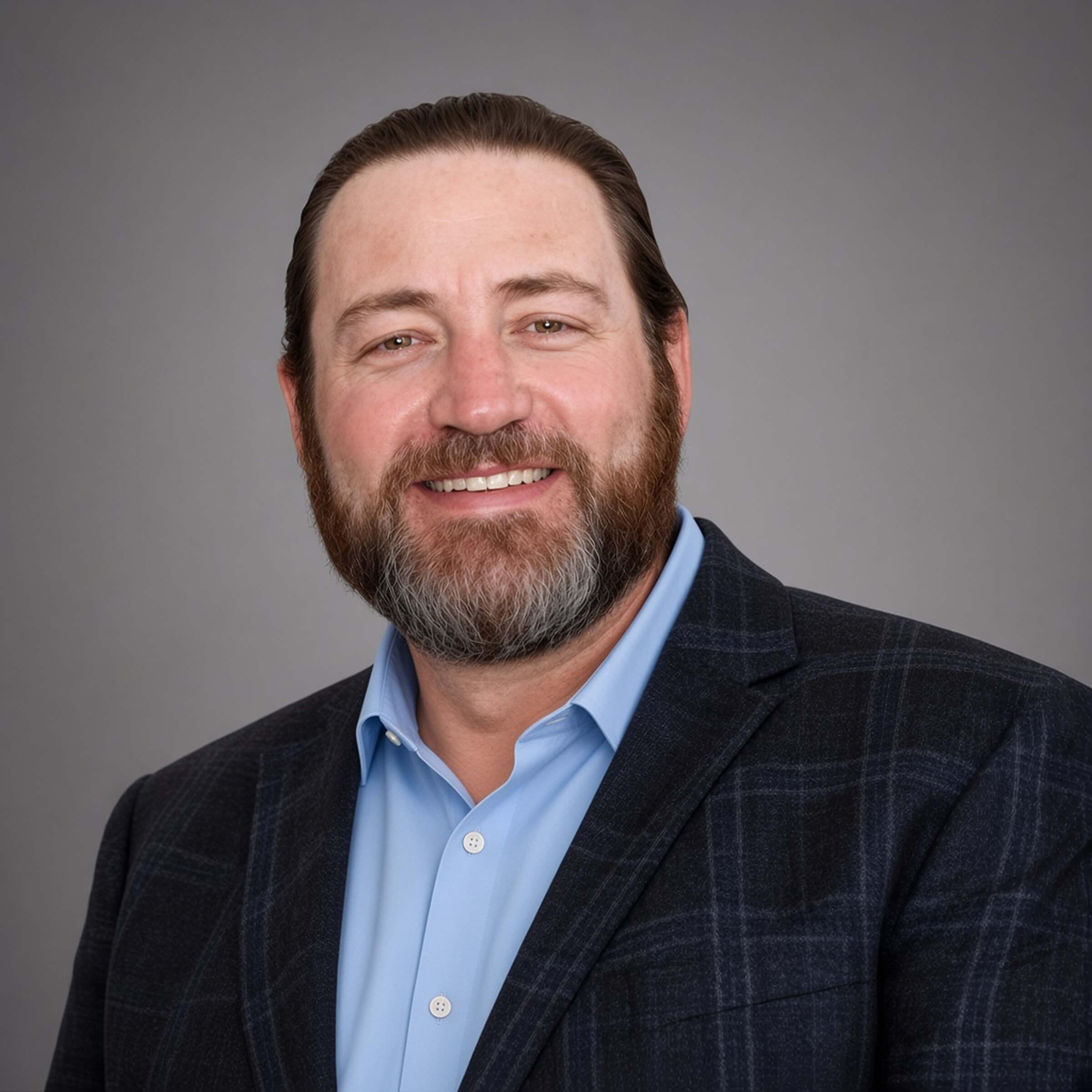
Alex Linden-Levy


Alex Linden-Levy, Ph.D., designs and builds the data, cloud, and AI platforms that financial services firms run on. His recent work centers on modern data architecture for wealth management: medallion (bronze, silver, gold) lakehouse designs on Snowflake and Microsoft Fabric, zero-copy integration with Salesforce Financial Services Cloud and Data 360, and governed data pipelines that turn custodian and portfolio data into trusted client and household models. He also helps firms put AI into production responsibly, from semantic models and knowledge graphs that ground AI agents to security, governance, and infrastructure-as-code for enterprise AI tools.
As Platform Engineering Practice Director at Callaway Cloud Consulting, Alex has led a senior team of cloud, DevSecOps, and AI specialists, delivering platform migrations and stabilizations for fintech, healthcare, and media clients, including a Fortune 10 platform processing 30 million transactions a day.
Previously, he was Vice President of Engineering at Nielsen and Senior Director of DevOps at Gracenote, leading globally distributed teams and setting cloud architecture and security standards. He began his career as an experimental nuclear physicist at Lawrence Livermore National Laboratory and on the PHENIX experiment at Brookhaven. He holds a Ph.D. and M.S. in Physics from the University of Illinois and a B.S. from Oregon State University.
- Nielsen
- Stone Valley Partners
- MobiTV
Predict the future: What do you think technology will enable wealth and asset management firms to do five years from now that they cannot do today?
In five years, every advisor will have an AI partner that truly understands each household: its accounts, trusts, goals, and life events. It will spot hidden risks, prepare advisors for meetings in seconds, and explain its recommendations. The firms that get there will be the ones that built trusted, well-governed data first.
What has changed the most in wealth and asset management since you started in the industry?
Data has gone from a back-office chore to a strategic asset. Firms have moved from nightly custodian files and disconnected systems to cloud platforms and a single view of each client. Generative AI then raised the bar, and the question shifted from "can we connect it?" to "can we trust it?"
Who or what inspires you?
As a physicist, I learned how powerful it is when thousands of people can trust the same data. I'm inspired by turning complex, fragile systems into reliable ones, by teammates who won't stop until the client is happy, and by the advisors and families our work ultimately serves.
Alex Linden-Levy
Alex Linden-Levy, Ph.D., designs and builds the data, cloud, and AI platforms that financial services firms run on. His recent work centers on modern data architecture for wealth management: medallion (bronze, silver, gold) lakehouse designs on Snowflake and Microsoft Fabric, zero-copy integration with Salesforce Financial Services Cloud and Data 360, and governed data pipelines that turn custodian and portfolio data into trusted client and household models. He also helps firms put AI into production responsibly, from semantic models and knowledge graphs that ground AI agents to security, governance, and infrastructure-as-code for enterprise AI tools.
As Platform Engineering Practice Director at Callaway Cloud Consulting, Alex has led a senior team of cloud, DevSecOps, and AI specialists, delivering platform migrations and stabilizations for fintech, healthcare, and media clients, including a Fortune 10 platform processing 30 million transactions a day.
Previously, he was Vice President of Engineering at Nielsen and Senior Director of DevOps at Gracenote, leading globally distributed teams and setting cloud architecture and security standards. He began his career as an experimental nuclear physicist at Lawrence Livermore National Laboratory and on the PHENIX experiment at Brookhaven. He holds a Ph.D. and M.S. in Physics from the University of Illinois and a B.S. from Oregon State University.
- Nielsen
- Stone Valley Partners
- MobiTV
Predict the future: What do you think technology will enable wealth and asset management firms to do five years from now that they cannot do today?
In five years, every advisor will have an AI partner that truly understands each household: its accounts, trusts, goals, and life events. It will spot hidden risks, prepare advisors for meetings in seconds, and explain its recommendations. The firms that get there will be the ones that built trusted, well-governed data first.
What has changed the most in wealth and asset management since you started in the industry?
Data has gone from a back-office chore to a strategic asset. Firms have moved from nightly custodian files and disconnected systems to cloud platforms and a single view of each client. Generative AI then raised the bar, and the question shifted from "can we connect it?" to "can we trust it?"
Who or what inspires you?
As a physicist, I learned how powerful it is when thousands of people can trust the same data. I'm inspired by turning complex, fragile systems into reliable ones, by teammates who won't stop until the client is happy, and by the advisors and families our work ultimately serves.

