

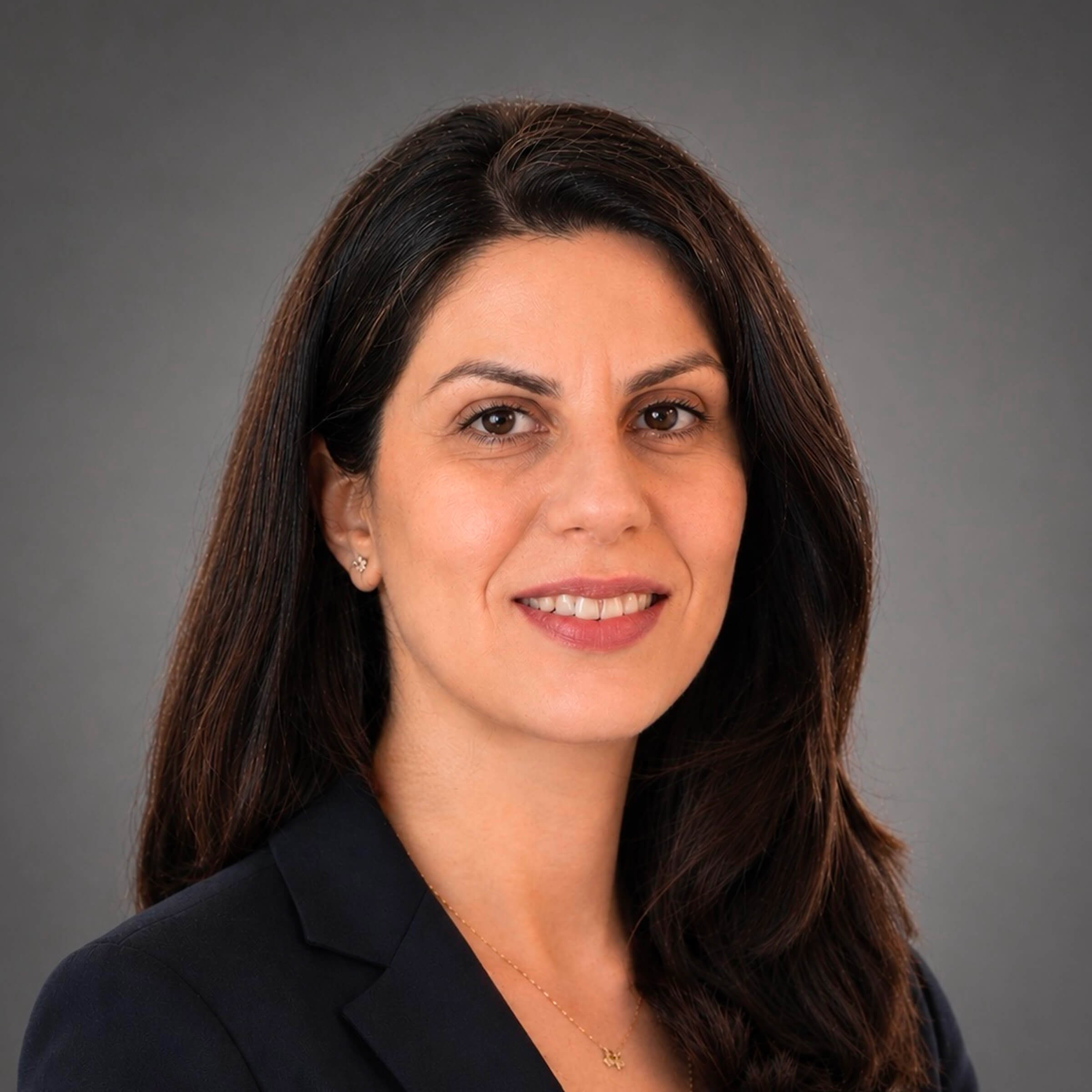
Shiva Jannesari


Shiva Jannesari joins F2 Strategy as a Manager based in Toronto, bringing more than a decade of experience delivering enterprise platform implementations and transformation programs. Most recently, Shiva was a Lead Business Consultant at SimCorp, where she led IBOR and data workstreams on SimCorp implementations for major North American asset managers, banks, and public pension funds. She also served as AI Adoption Coordinator for SimCorp's North American consulting practice.
Before SimCorp, Shiva delivered enterprise programs spanning data migration, system implementations including ERP, business transformation, and carve-outs. Having worked on both the vendor and client side, she has built her career on bridging IT and the business, turning complex operational requirements into solutions that work in practice. Shiva has worked across Europe, the Middle East, and North America. Working with teams from many cultures and backgrounds has taught her that trust and clear communication matter as much as technical expertise in delivering successful projects. That perspective shapes how she approaches every client engagement.
- SimCorp
What does the phrase "Do Good with Tech" mean to you?
To me, it means "should we build this?" and not only "Can we build this?" Almost anything is technically possible, but not every possible solution is a good one. On platform implementations, I often see requests for custom workarounds that solve today's problem and quietly become tomorrow's technical debt, making every upgrade, integration, and handover harder. Doing good with tech means having the discipline to ask what a solution will cost the client in three years, not just what it delivers next month. Sometimes the best answer is the standard one, a simpler design, or pushing a gap back to the product rather than building around it. Predict the future:
What do you think technology will enable wealth and asset management firms to do five years from now that they cannot do today?
Trust their own data in real time. Many firms still reconcile positions overnight across several systems and spend the morning explaining breaks. In five years, I expect a continuously reconciled view of positions, cash, and exposure to be normal, not a multi-year project. Two things will get us there: more standardized data (ISO 20022, shorter settlement cycles) and AI that handles the mapping, matching, and exception investigation people do by hand today. The winners won't be the firms with the most AI tools. They'll be the ones whose data is clean enough for AI to be useful.
What would you tell someone just starting out in the wealth or asset management industry today?
Learn how a trade actually moves, from order to settlement to the client report. Systems change, but usually that flow doesn't, and people who understand it end to end are valuable wherever they go. Pay attention to the data, too. Most real problems start there, and being the person who can trace an issue back to its source builds trust quickly. With AI taking over more routine work, that business understanding is what will set you apart. And if you're coming from outside finance, don't see it as a gap. I started in software engineering and ERP projects in shipping and logistics and tech manufacturing before moving into financial services, and all of it turned out to be useful. Stay curious and keep asking why things are done the way they are.
Shiva Jannesari
Shiva Jannesari joins F2 Strategy as a Manager based in Toronto, bringing more than a decade of experience delivering enterprise platform implementations and transformation programs. Most recently, Shiva was a Lead Business Consultant at SimCorp, where she led IBOR and data workstreams on SimCorp implementations for major North American asset managers, banks, and public pension funds. She also served as AI Adoption Coordinator for SimCorp's North American consulting practice.
Before SimCorp, Shiva delivered enterprise programs spanning data migration, system implementations including ERP, business transformation, and carve-outs. Having worked on both the vendor and client side, she has built her career on bridging IT and the business, turning complex operational requirements into solutions that work in practice. Shiva has worked across Europe, the Middle East, and North America. Working with teams from many cultures and backgrounds has taught her that trust and clear communication matter as much as technical expertise in delivering successful projects. That perspective shapes how she approaches every client engagement.
- SimCorp
What does the phrase "Do Good with Tech" mean to you?
To me, it means "should we build this?" and not only "Can we build this?" Almost anything is technically possible, but not every possible solution is a good one. On platform implementations, I often see requests for custom workarounds that solve today's problem and quietly become tomorrow's technical debt, making every upgrade, integration, and handover harder. Doing good with tech means having the discipline to ask what a solution will cost the client in three years, not just what it delivers next month. Sometimes the best answer is the standard one, a simpler design, or pushing a gap back to the product rather than building around it. Predict the future:
What do you think technology will enable wealth and asset management firms to do five years from now that they cannot do today?
Trust their own data in real time. Many firms still reconcile positions overnight across several systems and spend the morning explaining breaks. In five years, I expect a continuously reconciled view of positions, cash, and exposure to be normal, not a multi-year project. Two things will get us there: more standardized data (ISO 20022, shorter settlement cycles) and AI that handles the mapping, matching, and exception investigation people do by hand today. The winners won't be the firms with the most AI tools. They'll be the ones whose data is clean enough for AI to be useful.
What would you tell someone just starting out in the wealth or asset management industry today?
Learn how a trade actually moves, from order to settlement to the client report. Systems change, but usually that flow doesn't, and people who understand it end to end are valuable wherever they go. Pay attention to the data, too. Most real problems start there, and being the person who can trace an issue back to its source builds trust quickly. With AI taking over more routine work, that business understanding is what will set you apart. And if you're coming from outside finance, don't see it as a gap. I started in software engineering and ERP projects in shipping and logistics and tech manufacturing before moving into financial services, and all of it turned out to be useful. Stay curious and keep asking why things are done the way they are.

